Choosing the Best Engine Parts in Bloemfontein
The Ultimate Guide to Imported Engine Parts: Important Things to Know Before Buying
When exploring the world of overseas engine parts, a number of elements require thoughtful evaluation. Quality, compatibility, and pricing play critical roles in ensuring optimal vehicle operation. Recognizing the markers of quality is crucial and to confirm that components satisfy particular vehicle specifications. Furthermore, choosing dependable suppliers can significantly shape the overall outcome. Comprehending these aspects will support better purchasing decisions, however many still neglect important specifics that can influence their acquisitions.
Why Imported Engine Parts Matter
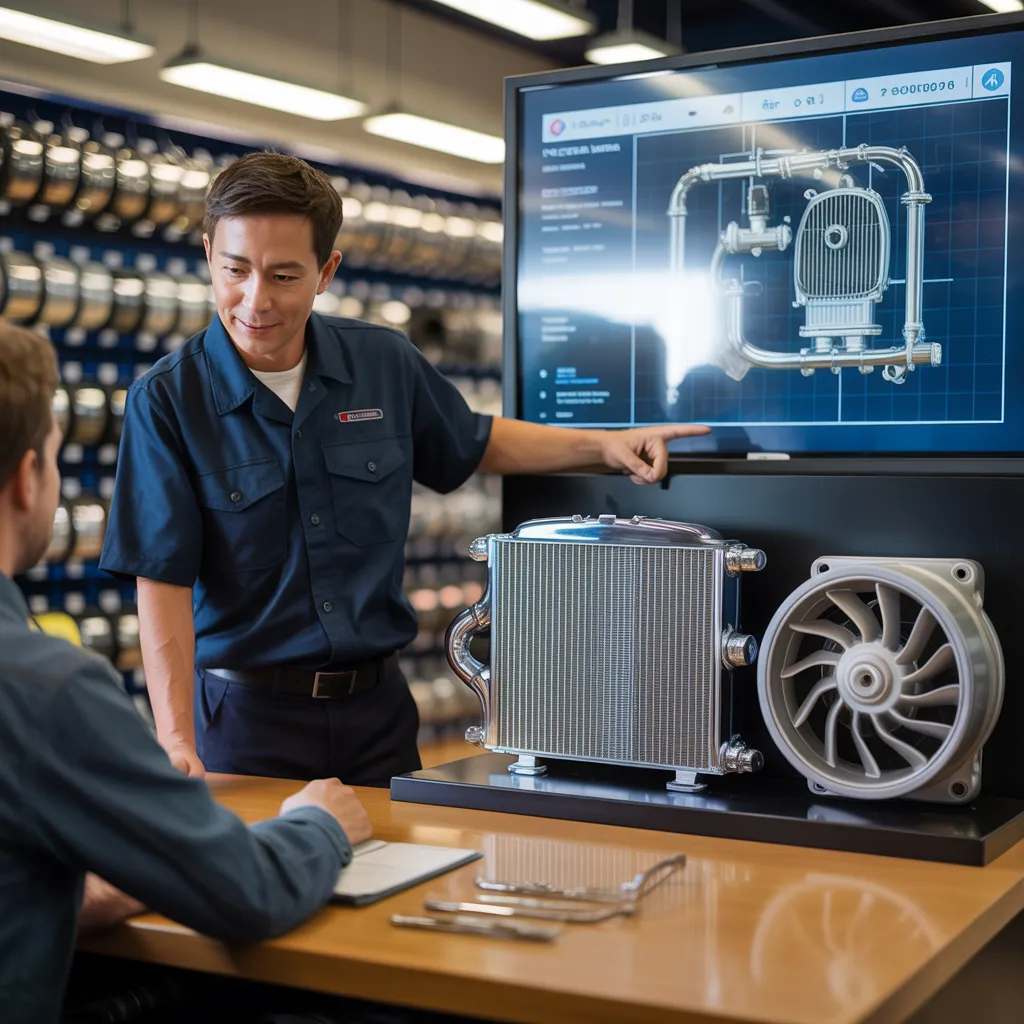
Imported engine parts hold considerable importance in the vehicle manufacturing sector, as they commonly deliver exceptional quality and superior performance compared to domestic alternatives. Producers from nations celebrated for their engineering expertise, such as renowned nations like Germany and Japan, develop components that regularly feature cutting-edge technologies and materials. Such imported components are capable of improving vehicle reliability, efficiency, and overall performance, making them an appealing choice for both vehicle manufacturers and end consumers.
Moreover, the international market fosters competition, propelling innovation and maintaining competitive pricing. For this reason, mechanics and technicians consistently pursue imported elements to confirm their vehicles achieve or surpass industry standards. Beyond this, the availability of a wide range of imported engine parts enables mechanics and enthusiasts to customize vehicles to their preferences, boosting both performance and visual appeal. In the end, the integration of imported engine parts plays a vital role in the continuous evolution of the automotive sector, contributing to a more dynamic and competitive landscape.
Measuring Quality: Critical Indicators in Engine Components
When assessing the quality of engine components, multiple important criteria are necessary for sound decision-making. To begin, materials serve a fundamental purpose; premium components frequently incorporate resilient metals or sophisticated composites engineered to withstand wear and corrosion. Second, manufacturing processes should be scrutinized; precision engineering and adherence to industry standards can indicate superior quality. Third, a company's standing and official certifications offer valuable perspective on dependability and performance. Organizations that have consistently demonstrated outstanding quality are generally regarded as more reliable.
Moreover, thorough testing and quality assurance processes are important; elements subjected to thorough examinations are less susceptible to malfunction. Lastly, guarantee options can signal assurance in the component's resilience. A detailed understanding of these indicators helps consumers discern high-quality engine parts from subpar options, guaranteeing improved function and durability for their automobiles.
Ensuring Compatibility of Imported Parts
Confirming the compatibility of engine parts is vital for peak vehicle performance, as poorly matched components may cause inefficiencies and high repair costs. When considering imported parts, it is important to reference the vehicle's specifications and manufacturers' guidelines. All engines possess specific requirements, including size, fit, and functionality, that need to match the imported component.
Moreover, comparing part numbers can be useful in verifying compatibility, as many manufacturers maintain databases for verification purposes. Understanding the source of the parts is also important; various regions may have differing standards and specifications.
Seeking advice from specialists or automotive experts knowledgeable about the exact engine type can provide valuable insights, while user reviews may provide real-world perspectives regarding suitability. In the end, thorough research and careful consideration of each aspect will support sound decision-making, making certain that the imported parts will function harmoniously within the vehicle's system.
Discovering the Best Deals on Parts
In the search for affordable engine components from overseas, comparing multiple suppliers is essential. Such a strategy enables an in-depth assessment of the prices and choices available on the market. Furthermore, exploring online platforms can identify competitive deals that might not be discovered via conventional retail outlets.
Assess Various Suppliers
Numerous suppliers provide an extensive selection of imported automotive components, which makes it crucial for buyers to evaluate prices carefully. Through gathering estimates from various suppliers, consumers can develop an understanding of average market costs and recognize competitive offers. This method encompasses more than just reviewing listed costs, as it also includes assessing freight charges, applicable tariffs, and warranty terms. Moreover, consumers ought to examine the standing and trustworthiness of each distributor, as quality can greatly impact the overall cost of ownership. Reviews and ratings from previous customers can provide valuable information regarding the supplier's service and product quality. In the end, a comprehensive evaluation enables purchasers to reach well-informed conclusions, guaranteeing they secure the greatest value for their foreign-sourced engine components.
Browse Online Marketplaces
How should buyers approach navigating the broad landscape of online marketplaces to locate the most competitive prices for imported engine parts? To begin, performing comprehensive research across multiple platforms is key. Sites including eBay, Amazon, and specialized automotive parts dealers commonly display competitive pricing. Purchasers ought to apply filters to reduce their choices according to brand, price, and condition—whether new or pre-owned. Moreover, examining customer reviews and vendor ratings can deliver useful perspectives on product quality and trustworthiness. It is equally important to review return policies, confirming that items can be sent back when needed. Lastly, signing up for price drop notifications can assist buyers in taking advantage of deals as they appear. Through the use of these approaches, buyers can enhance their search for cost-effective imported engine parts.
Finding Trusted Suppliers and Brands
Selecting reputable vendors and established brands is essential for ensuring the quality and lifespan of sourced engine parts. Buyers should perform comprehensive research to identify suppliers with favorable feedback and a well-established reputation within the automotive community. Reputable suppliers often provide comprehensive product information, guarantees, and after-sales service, which can be indicators of their reliability.
You should opt for brands known for their production standards and quality assurance procedures. Accreditations and industry recognitions can function as indicators for measuring a brand's trustworthiness. Moreover, joining discussions and communities of automotive hobbyists can yield useful perspectives on dependable vendors.
In conclusion, confirming the provider's return policy and after-sales service is crucial. A reputable supplier will back their goods, offering support in case of problems or faults. This practice not only improves the buying experience but also reinforces the reliability and overall performance of the mechanical components.
Frequent Errors to Steer Clear of When Purchasing Engine Parts
When purchasing engine parts, shoppers frequently miss important considerations that can lead to costly mistakes. One typical oversight is failing to verify compatibility with their vehicle's make and model, which can result in lost time and funds spent on the wrong components. Additionally, certain purchasers fail to research the quality and authenticity of overseas components, leading to diminished performance and possible safety risks.
One other pitfall is overlooking the warranty and return conditions. A number of purchasers believe that every component includes warranty protection, which puts them in a difficult position if a part breaks down study unexpectedly. Furthermore, failing to account for shipping fees and transit periods can disrupt timelines for repairs or builds. Lastly, purchasers often hurry through the buying process, ignoring essential details such as part specs and user reviews. By sidestepping these errors, buyers can make more informed decisions, guaranteeing a more seamless process when purchasing imported engine components.
Tips for Proper Mounting of Import Components
Successfully installing imported engine parts requires careful attention to several key factors. Using the correct tools, following manufacturer specifications, and confirming parts compatibility are vital steps toward a smooth installation process. By following these tips, technicians can enhance both performance and longevity of the engine assembly.
Required Tools for the Job
A range of tools are necessary for the proper installation of imported engine components, providing accuracy and effectiveness throughout the entire process. A torque wrench is essential for applying the correct amount of force to bolt fittings, eliminating the chance of damage or failure. Socket sets in various sizes are necessary for handling various types of fasteners, while a ratchet can expedite the process. Pliers and screwdrivers are also essential for working with smaller components. A mechanic's creeper can enhance comfort and accessibility during installation. In addition, having a full set of metric and standard wrenches will accommodate different part specifications. Finally, safety gear, including gloves and goggles, should not be overlooked to ensure a safe working environment. The right tools contribute to a smoother installation experience.
Follow Manufacturer Recommendations
Observing the guidelines set by manufacturers is essential for the effective fitting of imported components for engines. Complying with these requirements guarantees that parts are installed correctly and operate as designed. Every manufacturer offers comprehensive guidance regarding torque settings, alignment, and specific tools needed, which are critical for maximum efficiency. Ignoring these specifications can cause improper fitting, potential damage to the engine, or even safety hazards. Furthermore, using recommended lubricants and sealants as directed will improve the durability of the components. It is also advisable to consult the manufacturer's technical support if uncertainties arise during fitting. By following these specifications carefully, one can secure their investment and copyright the performance of their automotive engine.
Verify Compatible Components
Assessing compatibility between engine components sourced from abroad and the current parts is critical for effective installation and overall engine performance. Before acquiring parts, it is important to verify key parameters, including dimensions, materials, and design. Matching part numbers against manufacturer records guarantees that the sourced parts will integrate perfectly. Furthermore, reviewing online forums and user feedback can provide insights into the experiences of other users, revealing common challenges or proven successes. It is equally recommended to examine warranty terms and refund policies, providing options should the components fall short. As a final step, engaging a professional mechanic familiar with imported parts can improve the probability of a seamless assembly, minimizing the risk of damage during the fitting process. Proper compatibility remains the cornerstone of superior engine operation.
Common Questions and Answers
Is There a Warranty on Imported Engine Parts?
Sourced engine parts typically come with a warranty, but coverage varies by manufacturer and supplier. Buyers should carefully examine the specific terms and conditions to understand what is included and any potential limitations.
How Can I Confirm a Part's Authenticity?
To verify a component's genuineness, you should inspect the maker's identifiers, examine the wrapping for interference, reach out to certified suppliers, and utilize web-based databases or references that document legitimate parts to ensure accurate verification.
What Import Regulations Should I Be Aware Of?
Import regulations include having knowledge of tariffs, customs duties, safety standards, and emission regulations. Compliance with these requirements is essential to prevent penalties and ensure that parts meet both legal and quality standards for vehicle operation.
Is It Possible to Return Imported Parts That Don't Fit?
Returning imported parts is generally governed by the seller's return policy. When the parts are incompatible, customers should check the particular return conditions, including potential restocking charges or applicable conditions.
What Is the Best Way to Maintain Imported Engine Parts?
To maintain imported engine parts effectively, regular inspections, proper lubrication, and adherence to manufacturer guidelines are necessary. Cleaning components and monitoring for wear can increase their longevity and maintain superior performance in a variety of conditions.